
Introduction to Breakit
Breakit is the kind of game people open without planning to spend much time, then suddenly realize twenty minutes are gone. It sits comfortably in the casual gaming space, but it does not feel shallow. Players choose Breakit because it respects their time and their attention. You do not need a tutorial video. You do not need to remember complex systems. You press start, you understand the goal, and you play. At its heart, Breakit is about simple actions and clear feedback. Something appears. You interact with it.
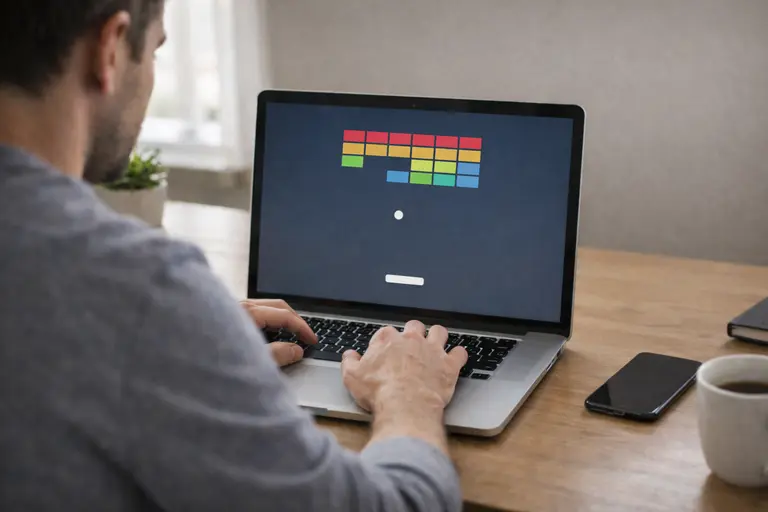
It reacts. That loop sounds basic, but the way Breakit handles it feels intentional. Every action matters. Every mistake feels fair. Every success feels earned. Casual players appreciate this because it removes pressure. You are not trying to beat other people. You are not managing resources across hours. You are focused on the present moment. Breakit also attracts players who want a calm mental reset. It does not shout at you. It does not overwhelm you with menus or numbers. The screen stays clean. The rules stay consistent. This makes it easy to come back after a long day or during a short break. You can play one round or ten. The game does not judge either choice.
Another reason players choose Breakit is trust. From the first session, the game makes its intentions clear. It is there to be played, not to trap you. There are no confusing systems that appear later. What you see early on reflects the full experience. That honesty builds comfort, and comfort keeps people coming back.
What Makes Breakit Different
💥 Break the Block!
Click the block to score points!
Score: 0
Many casual games rely on constant rewards, flashing effects, or artificial pressure to keep players engaged. Breakit takes a quieter path. What makes it different is not a single feature but the way all its parts work together. The core idea is simple: break what appears before it becomes a problem. That simplicity gives the player a clear purpose at all times. You never wonder what you should be doing. There is no hidden objective. The challenge comes from execution, not confusion. Breakit also avoids complexity for complexity’s sake. It does not introduce dozens of mechanics that only appear once. Each element in the game exists for a reason.
When something new appears, it builds naturally on what you already know. This creates a smooth learning curve that feels natural instead of forced. Another difference lies in pacing. Breakit does not rush you at the start. It gives you space to settle in. As you improve, the game responds by asking a little more from you. That response feels earned.
You feel the difficulty increase because your skills have increased, not because the game decided to spike the challenge. Finally, Breakit stands out because it feels focused. There is no distraction from the main activity. No side modes pulling attention away. No unnecessary systems layered on top. This focus helps players stay present, which is rare in many modern casual games.
How Breakit Gameplay Works
Breakit gameplay revolves around observation, timing, and reaction. When a session begins, objects appear on the screen in a predictable space. Your job is to interact with them before they reach a fail condition. The game makes this clear from the start. At first, the pace is slow. Objects appear one at a time. You learn how they move and how they react when you interact with them. This early stage is important because it builds confidence. You are not punished for learning. Mistakes are gentle reminders, not harsh setbacks. As the session continues, the game gradually introduces variation.
Objects may appear faster. Multiple objects may exist at once. Some may require quicker reactions. Others may test your patience. The rules stay the same, but the pressure increases. The loop is clean. New objects appear. You decide when to act. You act. The game responds immediately. There is no delay between cause and effect. This instant feedback helps players adjust naturally. You learn by doing, not by reading. A session ends when you fail to manage what appears on screen. When that happens, the game resets quickly. There is no long loading screen. No waiting period. You can start again almost instantly. This fast restart encourages learning rather than frustration.
Controls and Game Interaction
Breakit uses controls that feel natural on both desktop and mobile devices. On desktop, interaction usually happens through the mouse or trackpad. You point, you click, and the game responds. There are no complex key combinations to remember. This makes the game accessible even to players who do not consider themselves gamers. On mobile devices, interaction is handled through simple taps. The touch area is forgiving. You do not need perfect precision to succeed. This design choice matters because it reduces frustration and keeps the focus on timing rather than accuracy.
The game responds instantly to input. There is no noticeable lag. When you tap or click, the result is immediate. This responsiveness builds trust between the player and the game. You feel in control at all times. Breakit also avoids unnecessary gestures. You are not swiping, pinching, or rotating. One primary action does most of the work. This simplicity makes the game easy to play in short bursts, even when you are distracted or tired.
Game Rules Explained Simply
Breakit follows a small set of rules that remain consistent throughout play. Objects appear on the screen. If you interact with them in time, they are removed. If you do not, they reach a point where the game ends. There is no hidden scoring system. Your progress is measured by how long you survive and how well you manage what appears. Each successful interaction pushes you forward.
Each missed interaction brings you closer to the end. There are limits, but they are clear. You can see when you are close to failing. The game does not surprise you with sudden losses. When a session ends, you understand why it ended. Progress does not carry penalties. You do not lose unlocks or abilities. Each new session starts clean. This encourages experimentation. You can try different approaches without fear of long-term loss.
Player Skill and Strategy
While Breakit is easy to start, it rewards thoughtful play. Skill in Breakit comes from pattern recognition and timing. Over time, players learn how objects behave and when it is best to act. One key skill is patience. Acting too quickly can create problems later. Acting too slowly can end the session. Finding the right moment is part of the challenge. This balance keeps the game engaging.
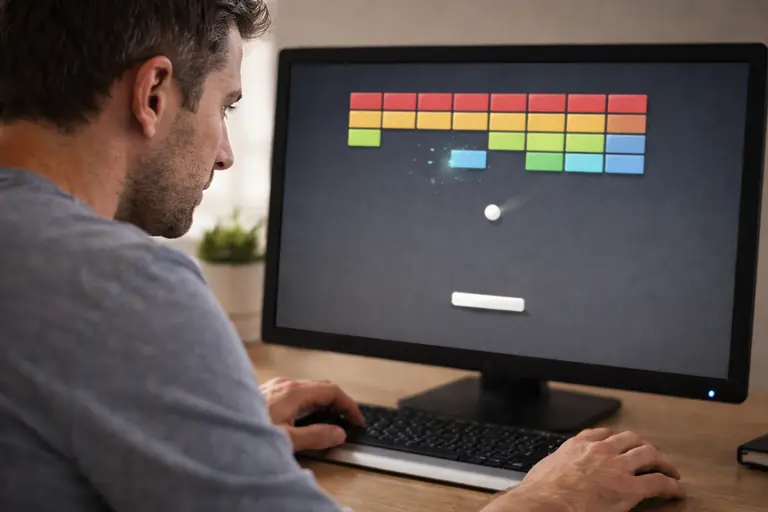
Focus also matters. Breakit asks you to pay attention to the whole screen, not just one spot. As the game progresses, managing multiple elements becomes important. Skilled players learn to prioritize threats. Improvement in Breakit feels natural. You do not need to study guides. You simply play, observe, and adjust. Each session teaches something small. Over time, those lessons add up.
Why Breakit Feels Addictive (Psychology)
Breakit feels engaging because it creates a strong connection between effort and outcome. When you succeed, you know exactly why. When you fail, you also understand why. This clarity keeps the brain engaged. The game uses near-success moments effectively. Many sessions end just before a new personal best. That closeness encourages another try. It feels reasonable, not manipulative. You believe you can do better because you almost did. Breakit also avoids long punishment cycles. Failure leads to a quick restart. This keeps frustration low. The brain stays focused on improvement rather than disappointment. Progress is internal rather than external. You are not chasing rewards. You are chasing better performance. That mindset is satisfying and sustainable.
Beginner Tips for Breakit
New players should focus on learning the rhythm of the game. Do not rush. Let the early moments teach you how objects behave. Pay attention to the whole screen. Tunnel vision causes most early mistakes. Train yourself to scan regularly. Stay calm when the pace increases. Panic leads to poor timing. Controlled actions lead to better results. Accept failure as part of learning. Each session gives feedback. Use it. Take breaks. Short sessions keep your reactions sharp.
Common Mistakes Players Make
Many players act too quickly without considering timing. Slowing down often improves results. Another common mistake is focusing on one object while ignoring others. Balance is key. Some players expect the game to change its rules later. It does not. Trust what you learned early. Finally, playing while distracted can lead to frustration. Breakit rewards attention, even in short bursts.
Breakit for Casual Players
Breakit fits perfectly into casual play. Sessions are short. There is no long-term commitment. You can play while waiting, during a break, or before bed. The game does not demand daily play. You can leave it for days and return without penalty. This flexibility suits casual players who want stress-free entertainment. Because the rules are simple, you do not forget how to play. Even after time away, you can jump back in instantly.
Performance, Speed, and Accessibility
Breakit runs smoothly in modern browsers. Load times are short. Performance remains stable even during longer sessions. The game does not require downloads or installations. This lowers the barrier to entry. Visuals are clean and readable. There is no clutter. Accessibility is improved through clear contrast and simple design. Breakit works well across devices, making it easy to switch between desktop and mobile play.
Who Should Play Breakit
Breakit is ideal for players who enjoy simple challenges that reward focus. It suits people who like improving through practice rather than memorization. It also works well for players who want calm gameplay without pressure. You do not need prior gaming experience. Breakit meets you where you are.
Safe Online Gameplay Experience
Breakit provides a clean and responsible play environment. There are no harmful themes. The game respects player boundaries. There is no pressure to spend money or compete aggressively. This makes it suitable for a wide audience, including younger players. The experience stays focused on play, not on external distractions.
How Breakit Fits on SZ Games
Breakit feels at home on platforms like SZ Games because it matches the expectation of quick, accessible browser play. It complements other casual titles without trying to overshadow them. In a collection focused on easy entry and smooth performance, Breakit blends naturally.
Frequently Asked Questions (FAQ)
Is Breakit hard to learn?
No. Most players understand the basics within minutes.
Can I play Breakit on mobile?
Yes. The game works well on touch devices.
Does Breakit save progress?
Progress is based on personal improvement rather than saved levels.
Is Breakit suitable for kids?
Yes. The content is clean and simple.
Do I need an account to play?
No. You can start playing immediately.
Final Thoughts on Breakit
Breakit succeeds because it knows what it wants to be. It does not chase trends or overload the player. It focuses on clean gameplay, fair challenge, and respect for time. That focus shows in every session. For casual players, Breakit offers a reliable way to engage the mind without stress. For returning players, it offers steady improvement and familiar comfort. It is a game that fits into life rather than demanding space from it. Breakit may look simple at first glance, but that simplicity is carefully built. It invites you in, teaches you quietly, and lets you decide how long you stay. That balance is rare, and it is why many players keep coming back.